



Skip to content

Cart

Your cart is empty

Continue shopping

8 Ways Stuck Fascia Is Wrecking You From the Inside

First — what fascia actually is.

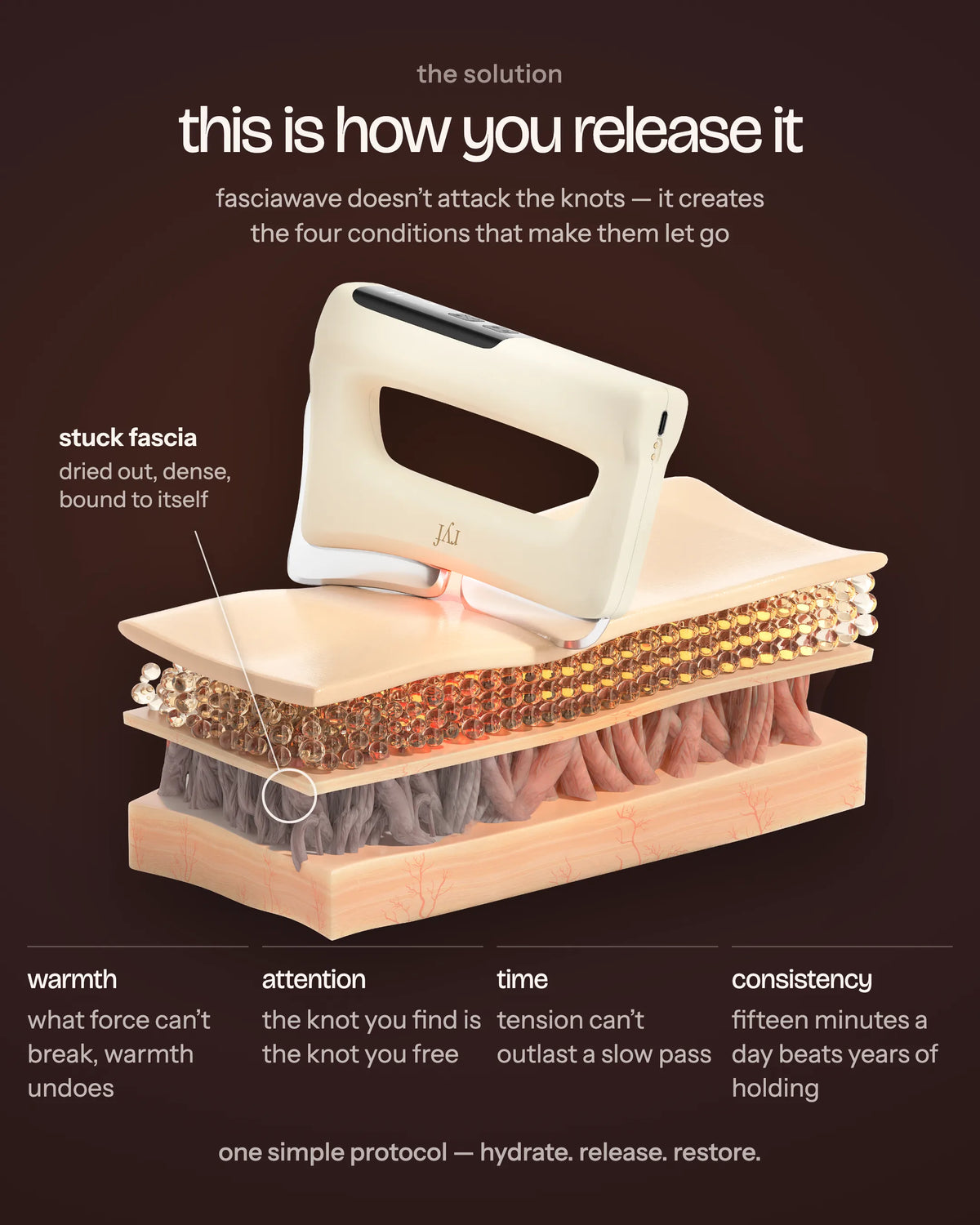
Fascia is the web of connective tissue wrapped around every muscle, nerve, and organ in your body. When it's healthy it glides; under years of stress, sitting, and tension it hardens and sticks — and because it's threaded with millions of nerve endings, every stuck patch signals your brain, day and night, that something is wrong.

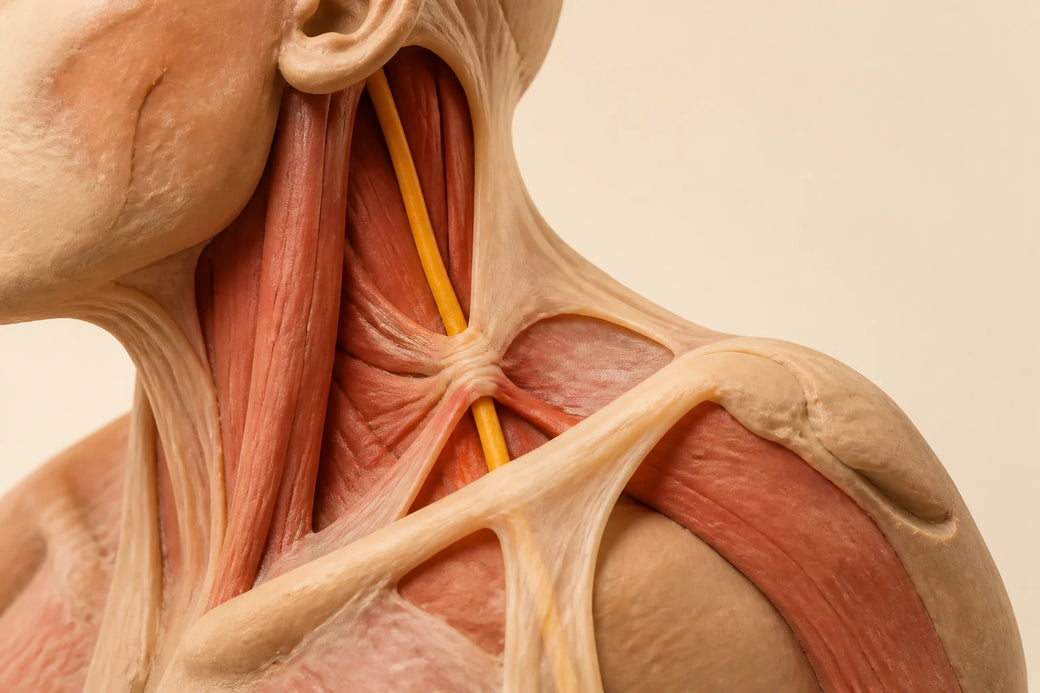
The neck and shoulder knots that always come back

That knot you've had rubbed out a dozen times is a patch of fascia — hardened, clamped onto the muscle, crushing the nerves caught inside it. Right now, while you're reading this.

Massage, massage guns, chiropractors — they all work the muscle or the joint. The grip is in neither.

That's why it “keeps coming back.” It doesn't come back. It never left.

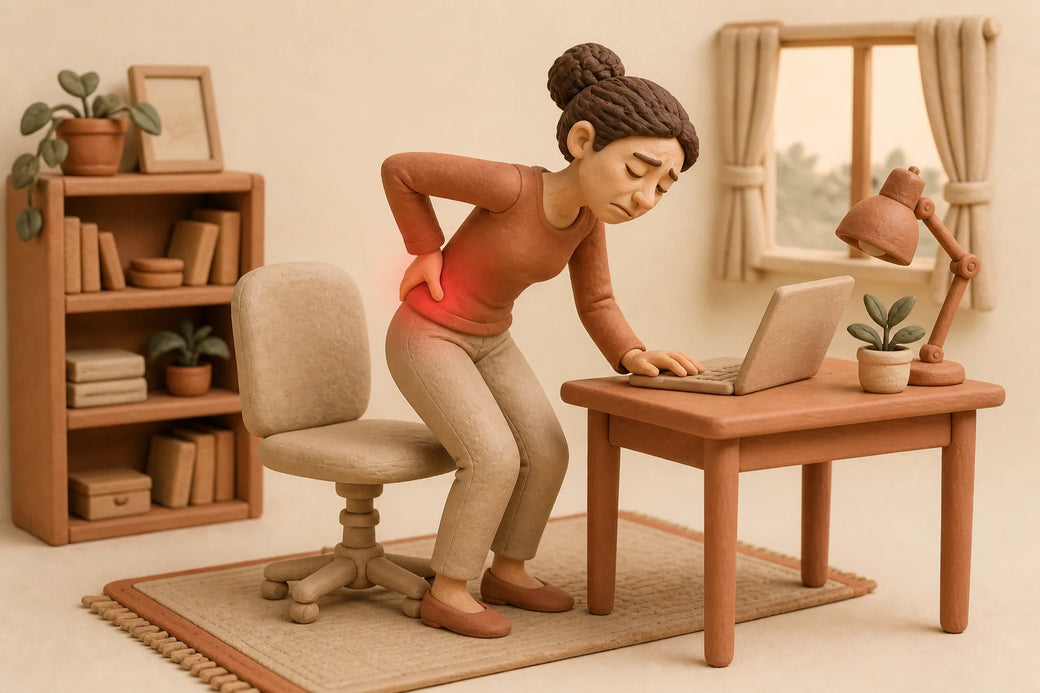
Lower back pain, tight hips — and the pooch they cause

Years of sitting have set the fascia across the front of your hips short — and short fascia pulls. Your pelvis tips forward, your lower back strains against it all day, and your belly gets pushed out in front of it no matter how much core work you do.

Stretching, foam rollers, physio — all aimed at the place that hurts. The pull isn't coming from there.

Your back pain was never a back problem. It's a hip problem your back has been paying for, for years.

Posture that won't stay fixed

The same thing is happening across your chest: the fascia there is setting into your sitting shape — shorter and tighter every year — pulling your shoulders forward and down. Forcing yourself upright doesn't undo it: the web pulls you back within minutes.

A posture corrector holds you there for a few hours. The web just waits.

The stoop you see on eighty-year-olds? Everyone calls it age. It's fascia that finished setting. Yours started years ago.

A puffy face and swollen legs

Lymph — the fluid behind the puffiness, the tired eyes, the swollen ankles — has no pump. It only moves when fascia glides. Stuck fascia clamps the vessels shut, so the fluid just sits: under your eyes, along your jaw, in your ankles, day after day.

Gua sha and drainage massage sweep some of it out — for a few hours. The vessels stay clamped. By morning it's back.

Sleep, salt, age — none of them did this. Your drainage is blocked — by fascia.

Cellulite

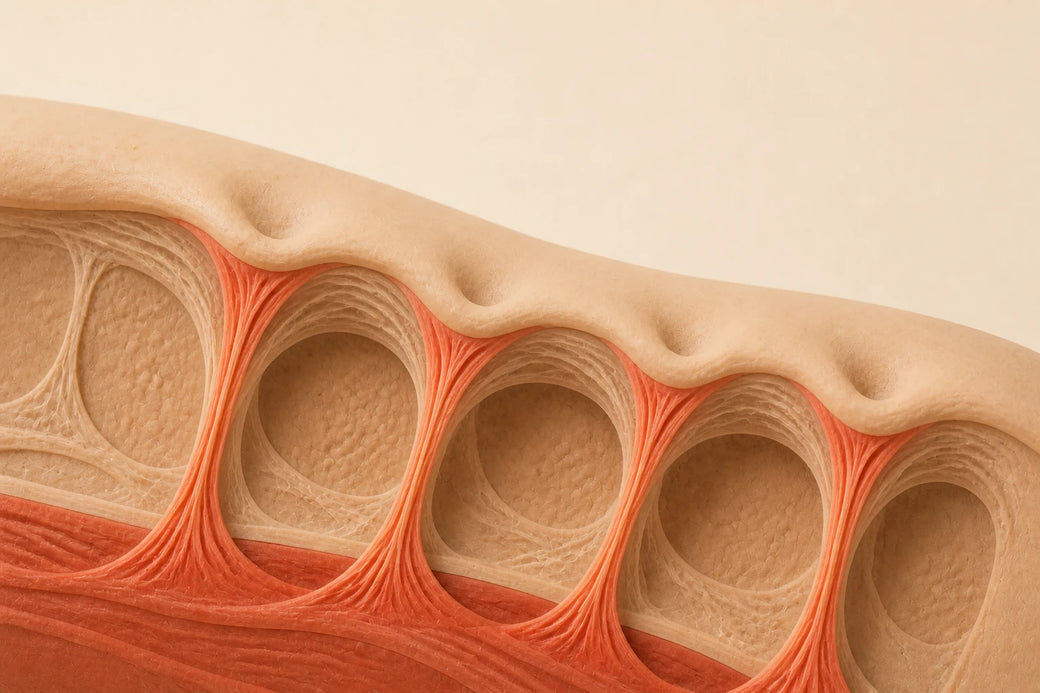
Under your skin, fascia forms bands that tether the skin to the tissue beneath. When they tighten, each band pulls the skin down — and everything between the anchors pushes up. That's the dimpling.

Creams, brushes, treatments — they all work on the skin, a full layer above the bands. You can't smooth skin that's being pulled down from underneath.

Cellulite isn't in your skin at all. It's tight fascia pulling from below.

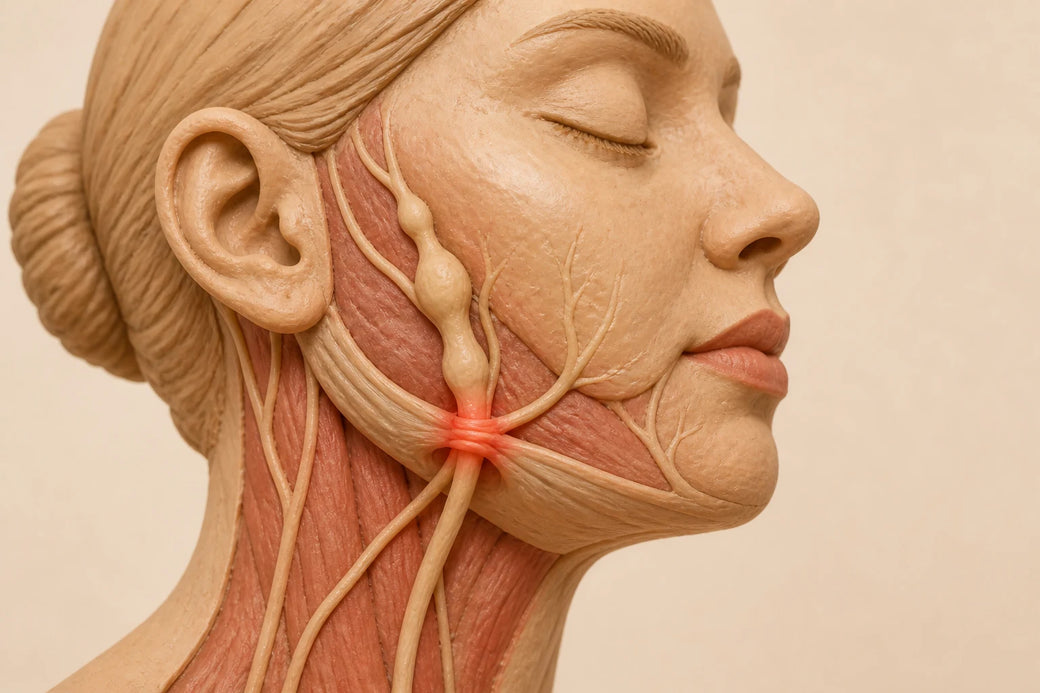
Tension headaches

The fascia over your scalp is the same web that wraps your neck and shoulders — one continuous sheet, shoulder blades to eyebrows. When it hardens below, it pulls on everything above: the scalp tightens, the base of the skull compresses, your head pounds.

Painkillers switch the signal off for a few hours. The pull is still there when they wear off — that's why it's back tomorrow, same time, same place.

Your head is just where you feel it. It's your shoulders and neck, pulling on your scalp from below.

Broken sleep and 3am wake-ups

Your body only allows deep sleep when it believes you're safe — nothing sleeps soundly on alert. And all night, every hardened patch of fascia presses on nerves, feeding your brain a steady danger report. So it pulls you up to check. Nothing is wrong with the house. The alarm is coming from inside your own body.

Melatonin says bedtime. Magnesium relaxes muscle. Neither says you're safe — the only thing your brain is waiting to hear.

You were never a bad sleeper. Your body refuses to sleep — as far as it can tell, you're not safe.

Always tense, can't relax

Fight-or-flight was built for thirty seconds of survival — heart up, muscles braced, digestion, repair, and deep sleep shut down. It switches on, saves your life, switches off. Yours never switches off: 250 million nerve endings in hardened fascia keep telling your brain the emergency is still happening. Your body has been stuck in survival mode for years.

Meditation apps and breathwork calm the mind. But the alarm never came from your mind — it's coming from your fascia, and it doesn't stop for a deep breath.

A body in survival mode doesn't repair, doesn't rest, doesn't thrive. It just holds on — and it will keep holding on, every day and every night, until you release your fascia.

simple to use

your daily ritual.

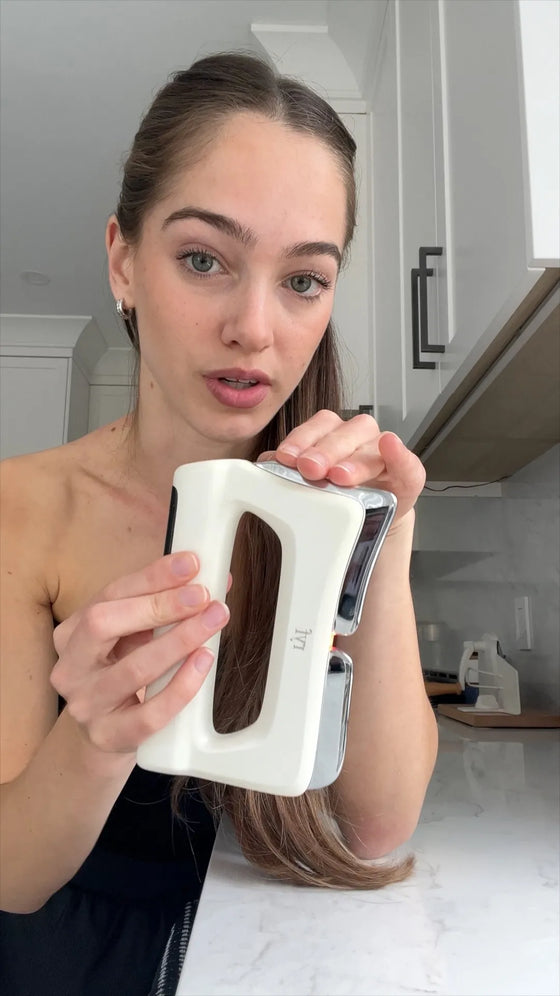
No appointments, no technique to master, no way to get it wrong. Just fifteen minutes a day with a device built to do what foam rollers, massage guns, and your own hands can’t.

find the tight spotlet the warmth buildfeel it givefifteen minutes a dayguided routines includednothing to get wrong

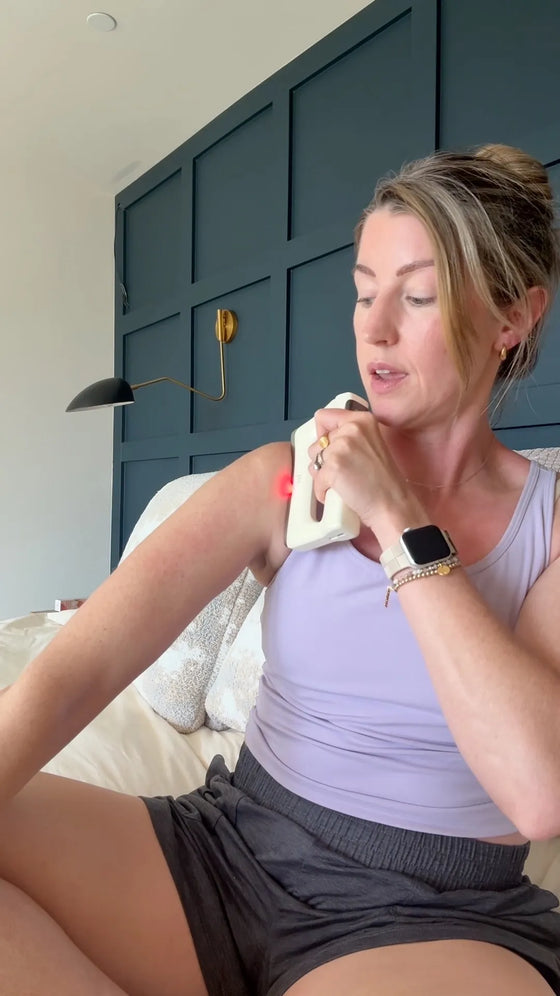
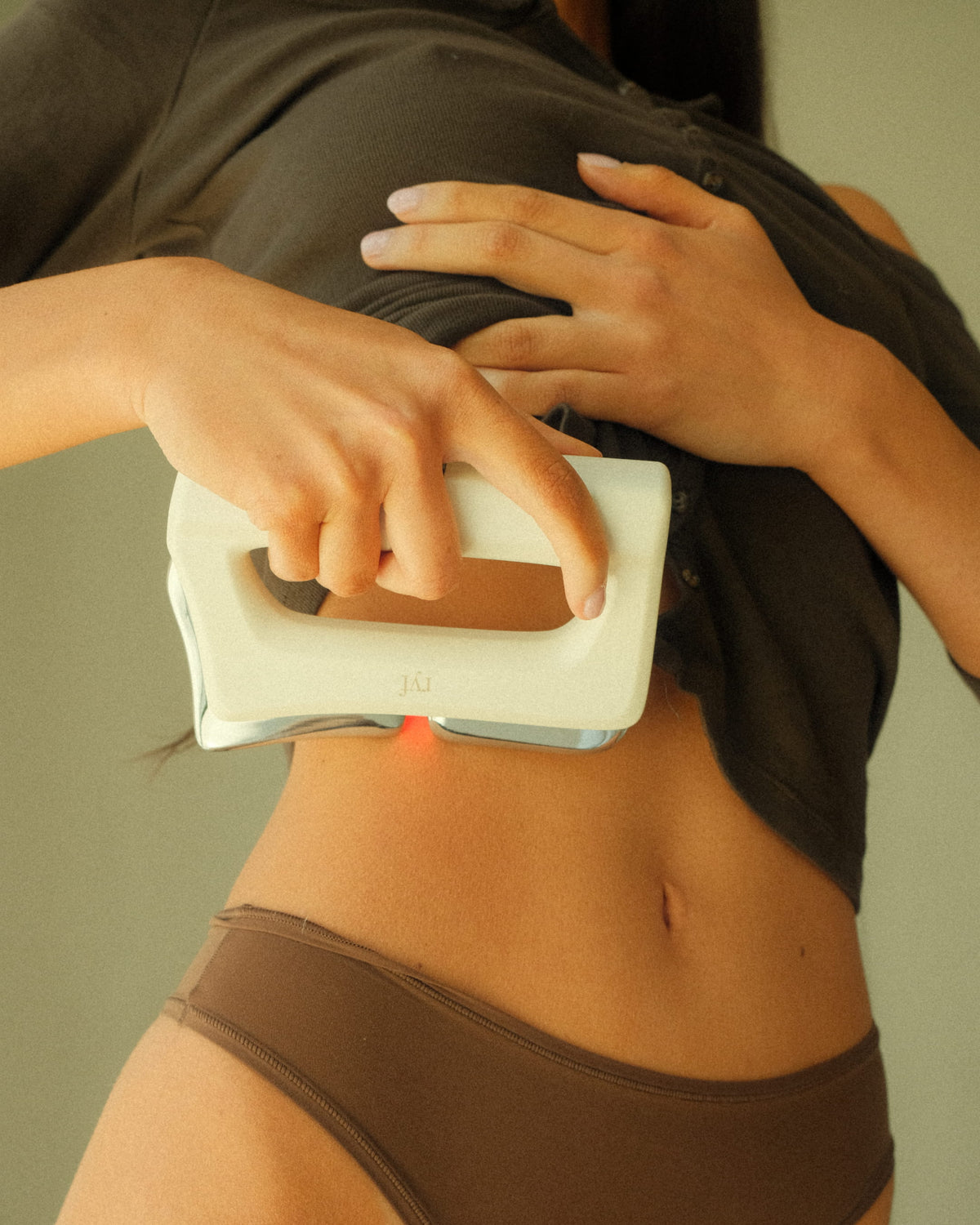
Set the device on the place that has been asking for attention. Your jaw. Your traps. The low back you rub every night. Let the warmth arrive, and give that area a moment to stop bracing.

Glide slowly across the area. Somewhere, it will feel different: a catch, a pull, a tender spot that makes you pause. That is the knot. That is where you stay.

Switch to the blue release mode, then return to the spot that caught. Hold it there. Feel the gentle pulses move through the knot while you breathe and wait for that first little give. When it softens, glide on—or stay a little longer.

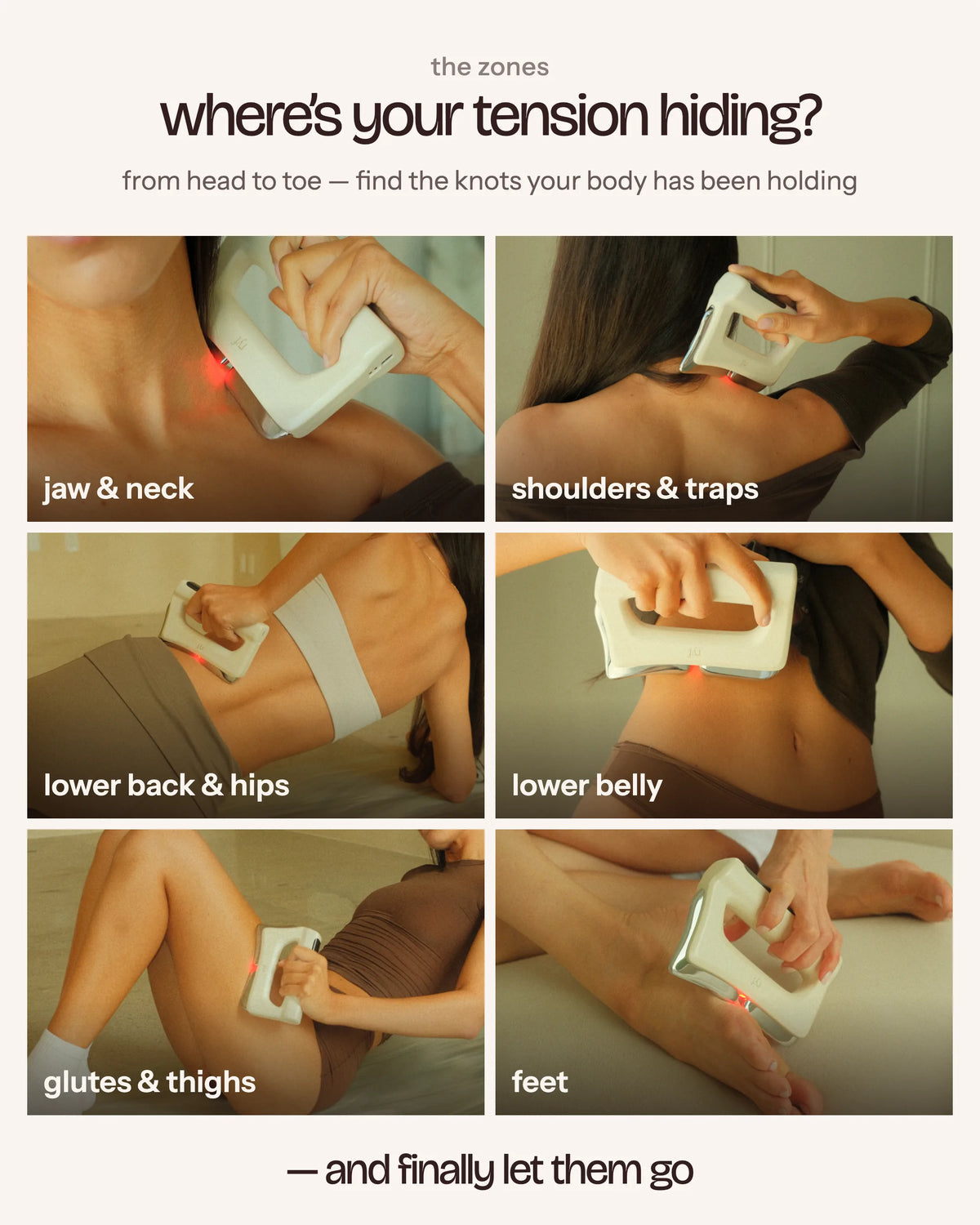
the target zones

Where's your tension hiding?

From head to toe, FasciaWave helps you find the knots your body has been holding—and finally let them go.

jaw & neck

Every clench leaves a mark. Layer on layer, it gets etched into your fascia—locked tight.

shoulders & traps

The weight of the world, parked on your shoulders. Years of it, fused into the fascia.

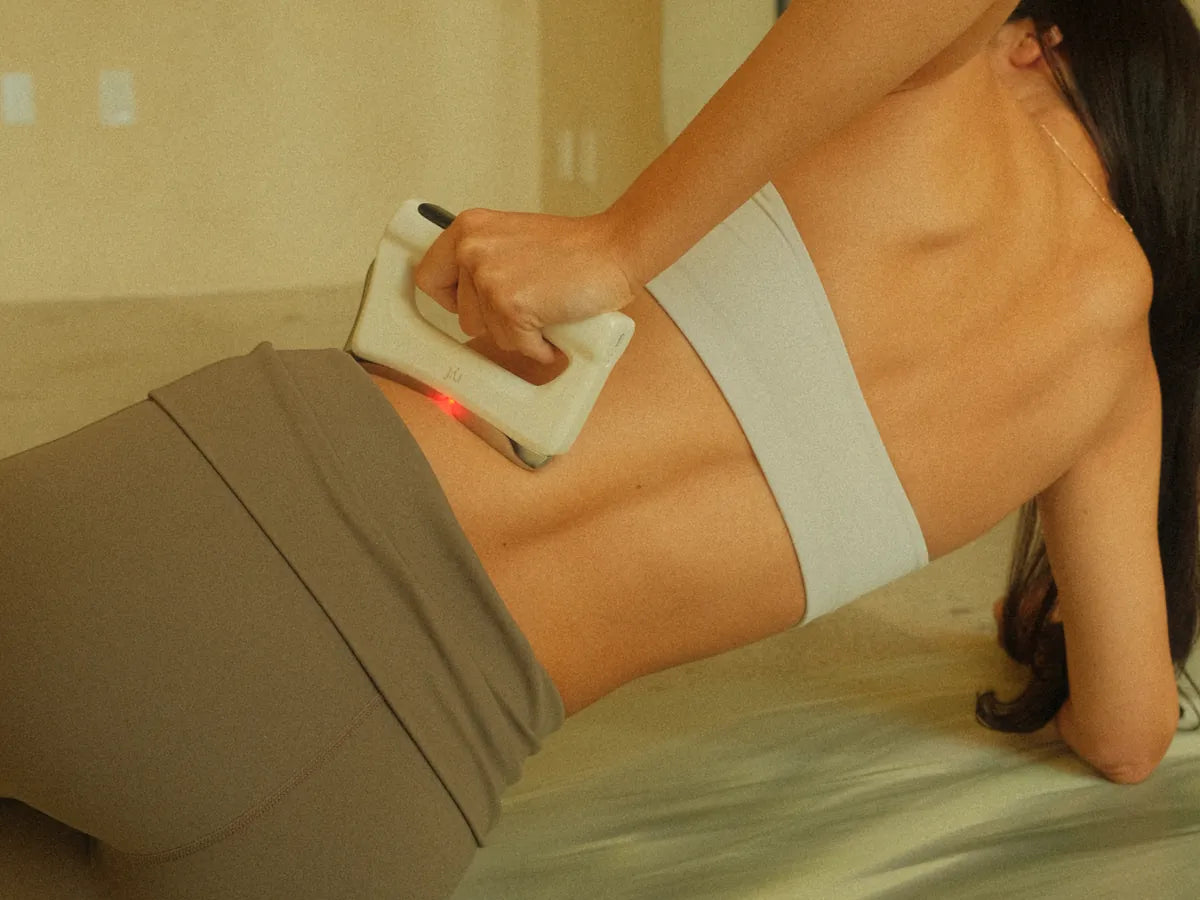
lower back & hips

Your chair is doing more than you think. Sit all day, and hip fascia starts to weld itself shut.

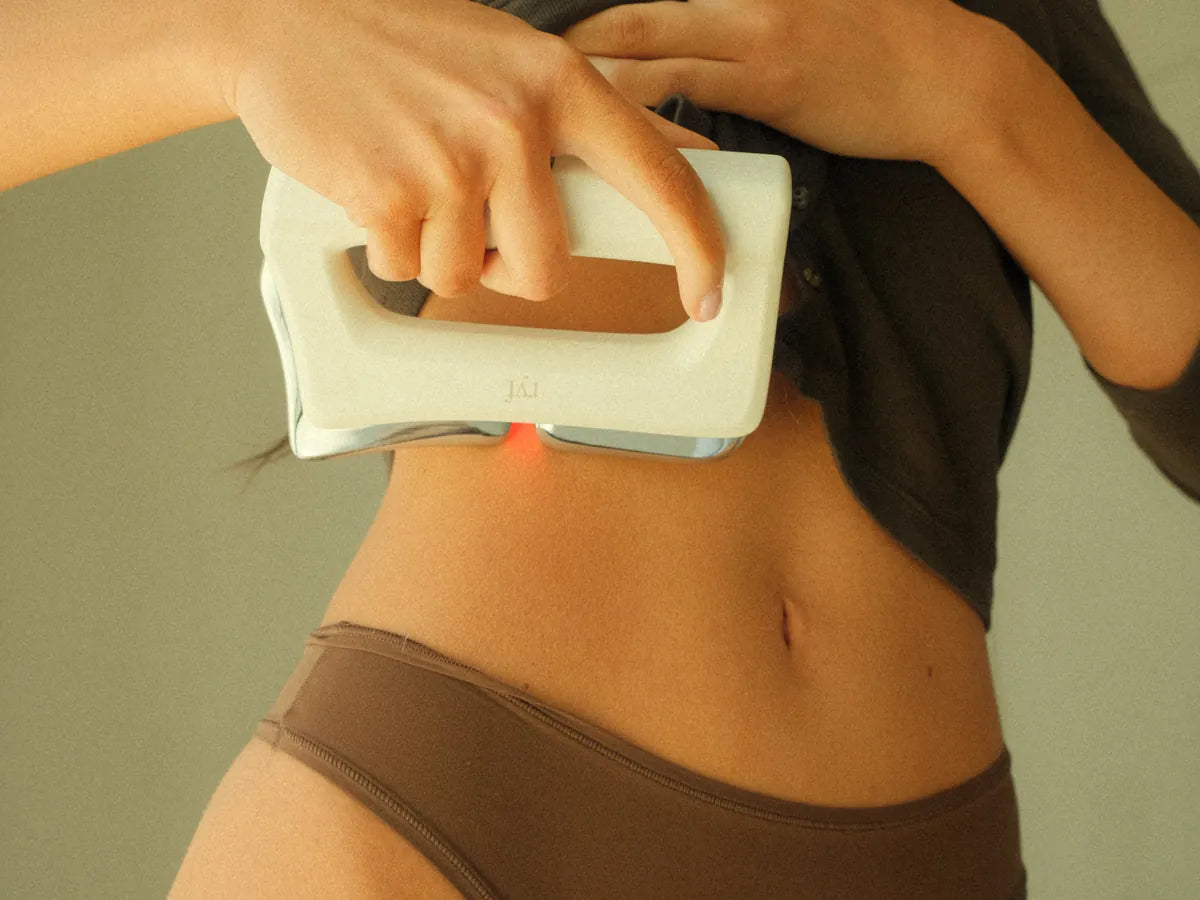
lower belly

They don't call it a gut feeling for nothing. All that swallowed stress has somewhere to go.

glutes & thighs

Office butt is real. Park it long enough and the fascia stiffens, dimples, and forgets its shape.

feet

Your feet have fascia too—and it has a famous name: plantar. Bind it up and that first morning step bites.

We're here to help

Frequently asked questions

What even is fascia?

A thin, stretchy web wrapped around every muscle you've got — head to heels, one continuous sheet. Healthy, it glides like jelly. But stress and sitting dry it out until it hardens and seals the tension inside. That hardened layer is the thing massage, stretching, and foam rolling never reached. It's what you've actually been fighting this whole time.

How is this different from a massage gun or foam roller?

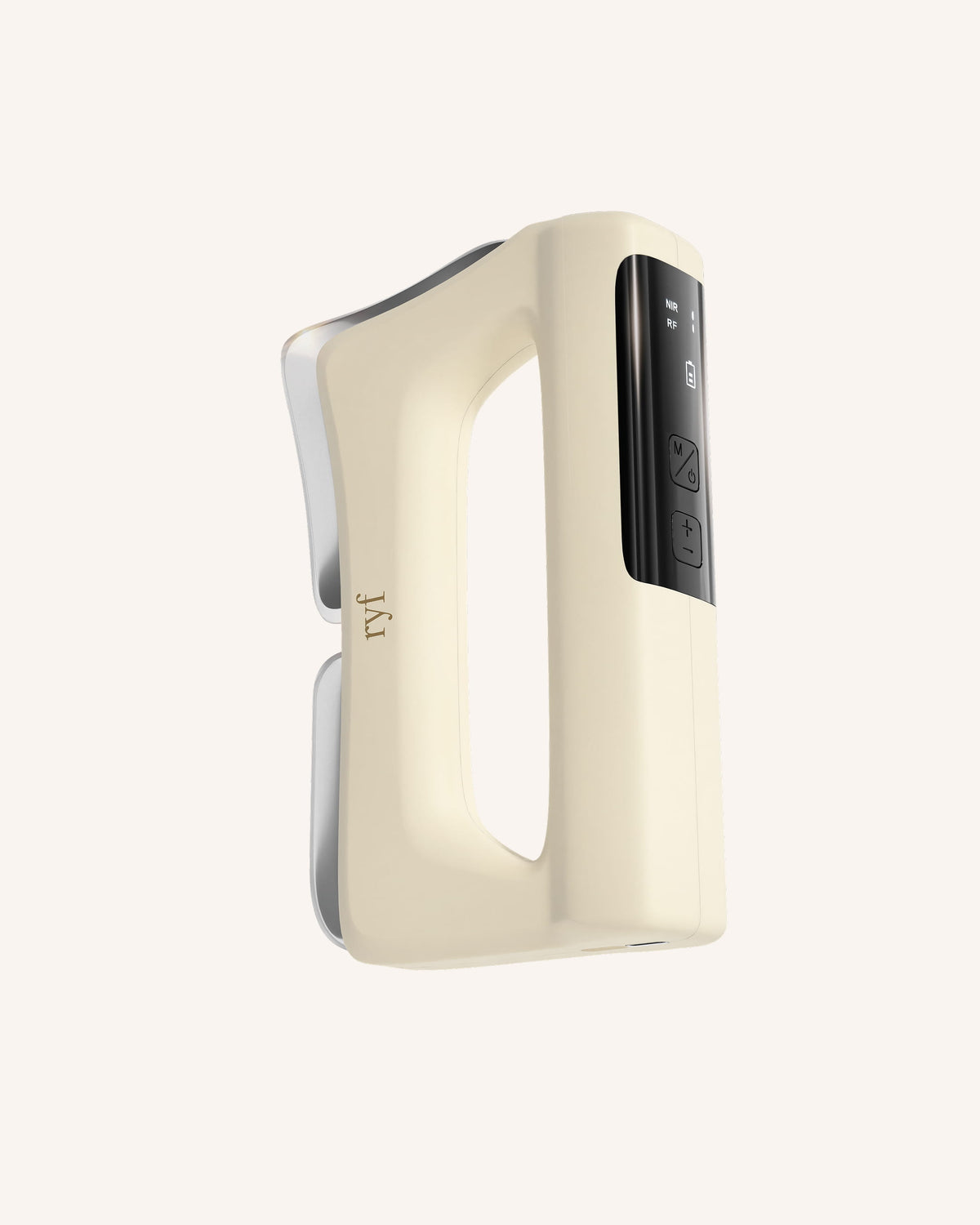
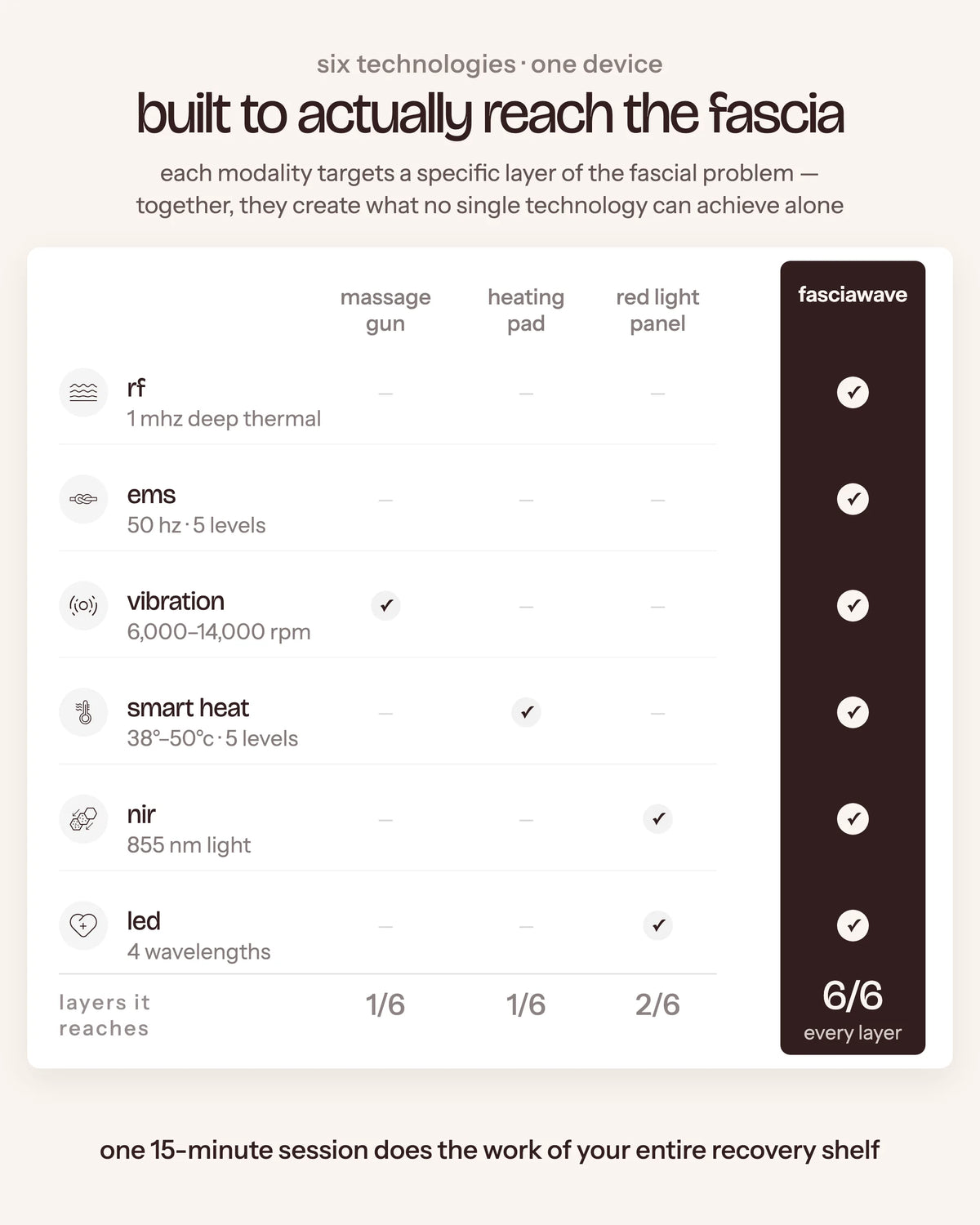
Those pound the muscle from the outside. They never touch the fascia underneath — the layer where the tension actually gets stored. FasciaWave works that deeper layer with heat, EMS, and light in sequence: soften it, release it, restore it. It's not a harder massage gun. It's a different job entirely.

Does it hurt?

The opposite — most people call it the best part of their day. You start on the lowest setting and turn it up only as your tissue adapts, across five levels. What you feel is a deep, warm release, never a fight. And the 15-minute timer ends the session for you, so there's no overdoing it.

Where can I use it?

Anywhere you hold tension — neck, shoulders, traps, chest, lower back, hips, glutes, thighs, right down to your feet. The guided routines walk you through every zone, and you can work one spot or move through a few from one session to the next.

How soon will I feel something?

Most people feel the warmth and a bit of release in the very first session. The deeper changes build over the weeks — that's just how fascia works, steady and gentle, not overnight. Give it a few weeks and let it stack.

Is it hard to keep up with?

Not at all. Fifteen minutes on the couch while you watch TV — switch it on, glide over wherever you're tight, and hold. Guided routines show you exactly where to go, so there's nothing to learn and no way to do it wrong. Miss a day? Doesn't matter. There's nothing to keep up with.

How often should I use it?

Once a day, fifteen minutes, is the whole routine. Focus on one area or rotate through two or three. Consistency beats intensity here — a little every day does more than a marathon session once in a while. And skipping a day now and then won't set you back.

What if I don't love it?

You've got 30 days to run the full reset. Change your mind and send it back for a full refund — no questions, no hassle. We'd rather you try the whole thing with nothing to lose than talk yourself out of it right now.